2009年6月24日 星期三

walking creatures.

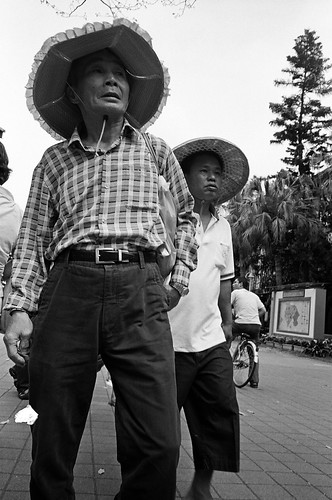
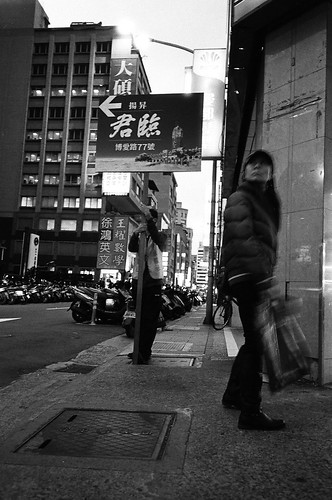
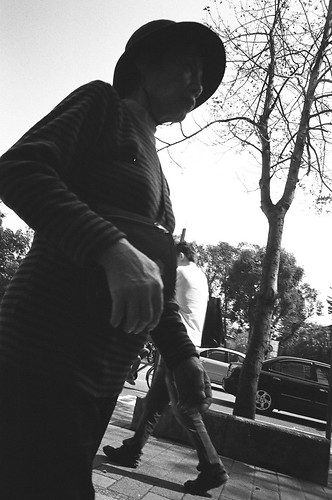
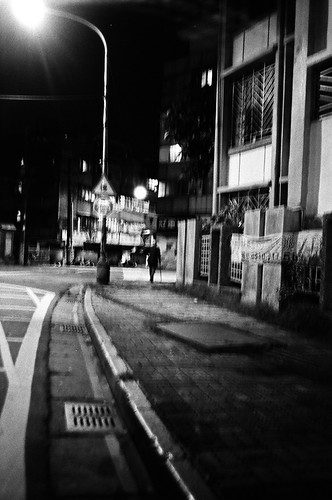
Near midnight, old man walks on the sidewalk back from my house.


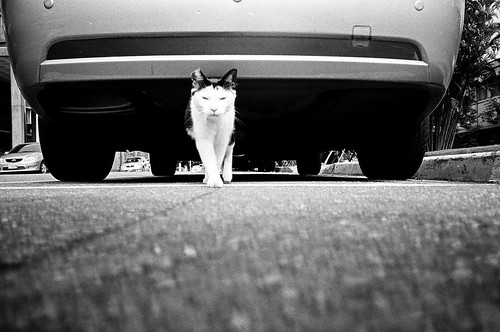
Early morning, Marshall the cat walks to me.
Marshall walking

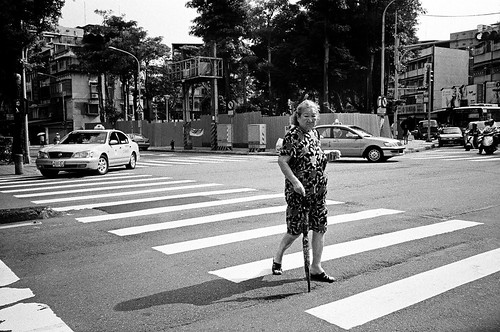
On my way to office, old woman walks across the street and looks at me with unhappy face.
Oh-Ba-Sun

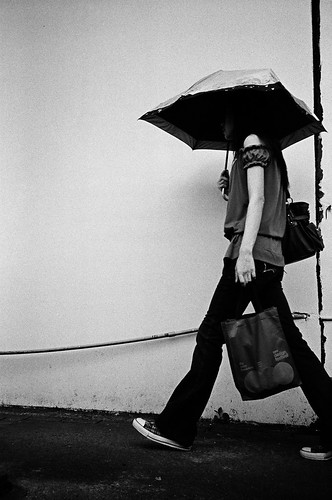
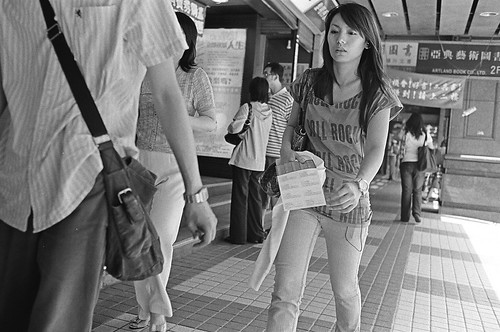
Almost 9 a.m. office lady on her way.


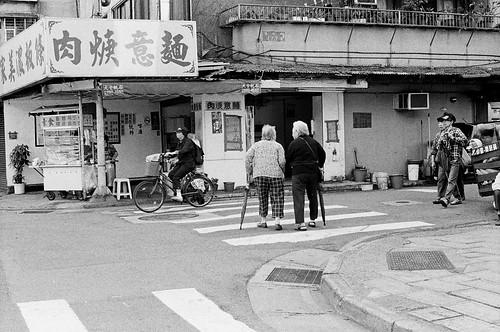
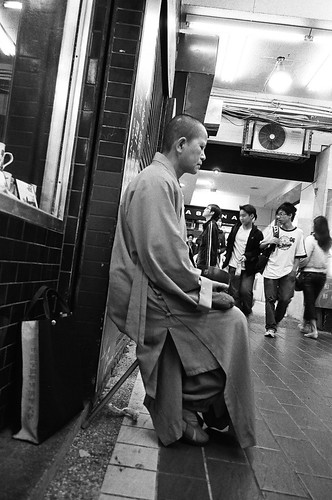
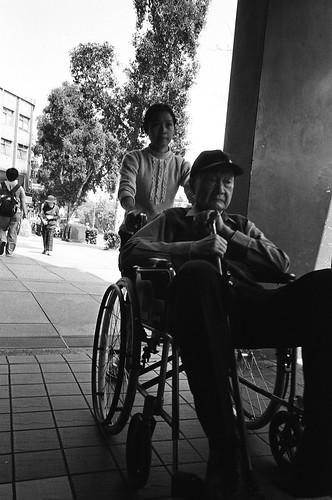
Old couples( I guess) walk, young lovers sit.


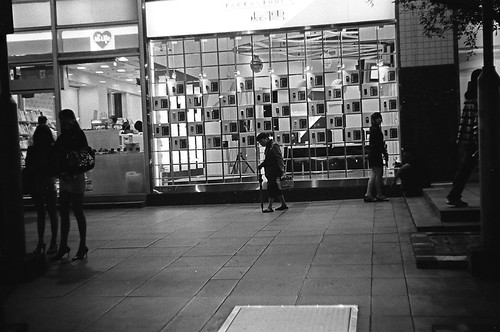
11 p.m., a window shopping girl.


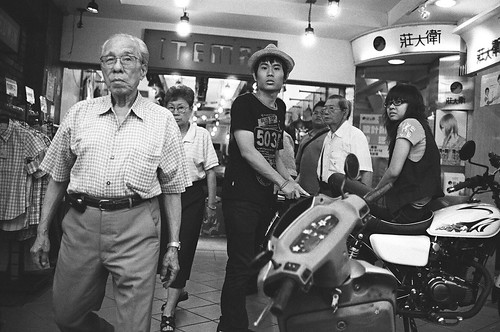
Old friendship never die.


Walking for good or evil? I'm not sure.
Protester I

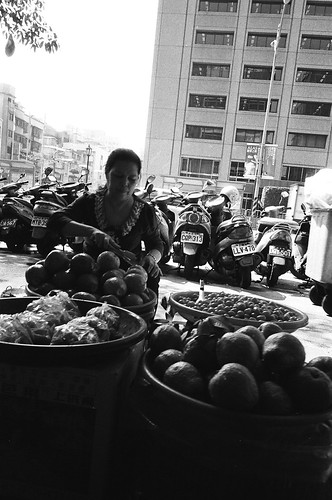
An old poor vendor walks for survived.


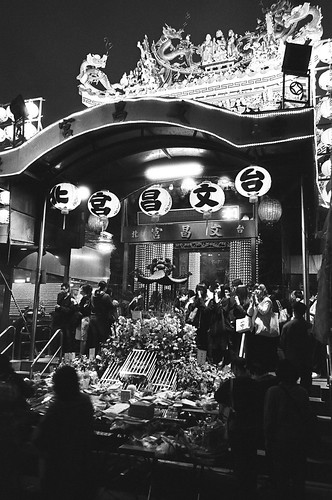
Walking seriously.


The End.
Although

2009年6月16日 星期二

Can the Subaltern Speak?

在Spivak的著名的文章 "Can the Subaltern speak?"中,她認為一定程度上,西方的論述再現著第三世界的時候,這些知識產物一定程度上都跟西方的對於第三世界的政治經濟興趣有著密切的關係,弦外之音是知識和政治經濟基本上是有共謀關係的。

這篇文章的結構基本上簡單的,Spivak先用一些篇幅來說明為什麼她在方法論上就Marx 和Derrida而不願意採用 Foucault 和 Deleuze對於權力對於主體性等等的分析。非常坦白的說,雖然我知道Spivak有詳細的說明原因,不過因為對於這一塊辯論太過於陌生,所以我掌握的不是很好,我只能夠知道的是,她認為這兩位學者雖然對於這件論題做了很多的努力,但是他們的成果當中,暗含了一種她所謂 epistem violence 的危險,因此她認為比較合適用於分析歐洲歷史中權力的問題,而不合適用於後殖民研究之中。因此,她採用Derrida的解構理論,來處理再現的問題。遺憾的是這些我比較不那麼熟悉,因此對於方法論上的掌握,還要在花一段時間才有辦法搞清楚Spivak到底在這裡說了些什麼,又是因為什麼原因決定棄FD兩位,而就DM。

進入Case,在寡婦焚祭的研究當中。Spivak指出,寡婦雖然是這個風俗當中的主角,但是事實上在任何一種官方的、學術的論述當中,她們都只能是沒有聲音的Subaltern。一方面,當英國殖民政府進入時,禁止了這項風俗,並且把這個禁止的「德政」視為是「白種人從棕男人手上救贖棕女人」的文明進程的行當;而即使在英國政府退出了印度,接手執政的印度本土菁英(往往是受了殖民國高等教育的菁英)繼續將禁止這種風俗當作是整體社會進步最好的燈號。換言之,不論是白種人,或者是本土菁英,都是以一種Spivak稱呼為現代性的思考方式來看待寡婦焚祭的議題。在他們的觀點中,寡婦焚祭重要的是,在禁止了這項風俗之後,可以作為某某的象徵,來為某種特定的論述方式服務,至於寡婦本身的聲音,Sorry, that's not the point.

這樣的作為當然引起了國族主義者的不滿,並且將這個風俗引經據典的呈現為「這是寡婦的意願」,作為一個Sati,也就是好的妻子,他當丈夫往生之後,她們理應如此,所以,這暨不是一個父權對於女性壓迫的展演,更不是一個粗暴野蠻的陋習,一切都是從寡婦的意願開展出去的,換言之,他們強調了「這是寡婦的意志」來對抗著現代性的思想。

Spivak認為,不管是在哪一邊,其實都不是寡婦真正的聲音,在這些論述當中,寡婦的聲音都被淹沒了,因此,即使看起來後殖民學者是用比較友善的的態度,甚至比較理解的方式去再現這個風俗,但是依舊還是剝奪了寡婦的聲音和主體性。

Can the Subaltern Speak?

In her famous essay "Can the Subaltern speak?", Spivak indicates that the representaion of the third-world in Western discourse has several latent principles. And in more radical tone, Spivak announces that some Western intellectual production complicit with Western international economic interests. Therefore, she wants to provide an alternative representative way that different from Western discourse, and try to speak for the subaltern woman. That is her main topic.

Before she open up her main topic. Spivak spends many page to explain that why she choice Marx and Derrida's theory but not Deleuze and Foucault. I am not familiar to French philosophy, so in fact, I can not catch lucidly of her argument. All I know is that she choice Derrida's theory as a base for her own. And also, she doesn't agree to Foucault and Deleuze that these two philosophers claimed that "the oppressed, if given the chance, can speak and know their conditions." In other words, Spivak believes that the oppressed can never has a chance to comprehense the condition they are, because there are something impede them to have chance, which Spivak calls "epistemic violence."

The epistemic violence is a concept that hard to catch if one who are familiar to Foucault and Deleuze. But I think the word means something that can causes a violation results to somepeople, or creates inequity in intellectual level. Therefore, even thought that many disciplines turn their eyes to the third- world, especially those subaltern classes and poverty. Spivak claims that though it is a good phenmomenon, but the latent episteme viloence will cause such disciplines' research cause subaltern woman as mute as ever.

Since, I am weak in current Western philosophy and also poor in my English writing, so let's go straight to her case study-- the self- immolation of widow in someplace India. In this case, Spivak is not "introduce" or "explain" a extoic custom to Western society, but uses this as a case to present that subalter-- the widow women. No matter in the modernity discourse, or the post- colonial discourse can not have their own voice. On the modernity side, the prohibition of the immolation had been represented as "white men save brown women from brwon women", in another side, the post-colonial discourse represents such custom as "The women wanted to die."

Spivak indicates that both rehetoric do not provide any space for those widow. We can not find out their real thought from the document or the discourse. Those widow, deprived of their voice by scholar, become subject of discourse. And can be distorted by these opposing sides.

Spivak beleives that those "untold" are those most important things. And in my viewpoint, Spivak want to find out a kind of voice that is pristine, pure and undistorted by any discourse. The vocie must be straight from subaltern women. In other words, that is a representative problem for her. how to nuturalize intellectual represent of subaltern is her main point, but I just wonder that what is different between what she disdain and whate she do? If we all agree that purily objectivity is a chimera when we need to do any representation?
2009年4月7日 星期二

The other America

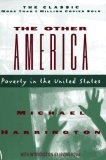
The Other America的圖像


據說,這本書在它出現的年代裡頭是相當重要的,並且在書成之後幫作者贏得了一個政府的職位,開啟了著名的政策"Fight to proverty",然後,這個政策在稍後的不久被宣告失敗。當時是哪位總統在位我忘記了,不過我記得這樣的一件事情。

本書在處理的是一九五零到六零年代時美國的貧窮現象。作者分別從各種不同的族群、階級、狀態、年齡等等分章討論,並且逐一指出在社會結構、經濟狀態以及政府設計出來解決這些不同族群的貧窮問題時所碰到的困難,以及造成這些貧窮持續存在的原因。

作者用了和Lewis一樣的詞彙「貧窮文化」來指稱某種根深蒂固於貧民窟住民心中的一種雜揉悲觀主義和宿命觀的人生態度。並且認為這種態度會導致整個窮困的狀態難以被社會以及政府的這種措施所根除,因此他提出了各式各樣的社會福利政策不僅需要實際的照顧和改善貧者的生活條件,同時也需要從心理的層面去著手,這樣才可能把「The other America」徹底的消滅。

不過,一整本讀來,對於作者以文化這個詞彙所指涉的事物還是覺得很晦澀,我並不能很明確掌握他用這個詞指的是怎樣的狀態、觀念、價值或者其他?

然後,如果就後續的發展來看的話,我覺得這本書很好的證明了一個有理想熱情的學者,迫切的想要改變社會使社會變的更好的學者,不一定就真的具有洞見和能力去掌握到那些真的需要被改變的事實,以及改變社會的方法。但不管怎麼說,作為一本對於一九五零和六零年代的美國貧窮問題有初步掌握的書籍來說,這是一本好讀易懂的書了!

2009年3月27日 星期五

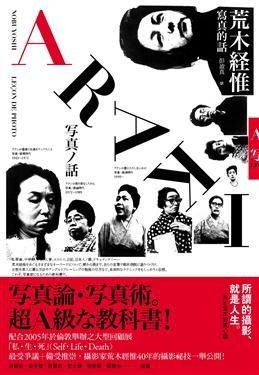
寫真的話

寫真的話的圖像

這算是荒木出道之後比較完整的一本訪談式的攝影心路,雖然說,或許是因為這位老先生打從十六還是二十六歲時就自認為是一位天才的關係吧!所以在這本書中不知是刻意的去掩飾了他可能也曾經有過的努力勤奮的一面或者真得這輩子荒木先生就是不折不扣的天才?總之,在書中感覺到他似乎不必多少的努力就成為了攝影師了。然後,就出名了!一切的功成名就,就只是天分使然而已。

不過,真是這樣嗎?我想不太可能的,即使是天才也都還是需要努力才會被人們認為是真正的天才的,荒木應當也不例外,雖然我對於他的東西接觸的不多,不過我總是懷疑著在這本書中他有意無意的去隱藏了這個部分,於是總是才華洋溢的照著什麼一類的。於是,在這本書中,比較少有機會可以一窺他真實的奮鬥和轉變的歷程。

不過,我想這本書多少還是有些啟發的,雖然對於攝影的部分也許不那麼多,但是對於人生倒是相當不錯。我想,至少,在這本書中荒木陳述的自己,一定程度上可以視為是他希望自己成為的樣子,是一個豁達的,總是可以隨遇而安的樣貌,感覺上,應該是一個可以笑著面對人生一切事件的人物,也許正是因為這份豁達造就了他和森山大道雖然在相同的路子上卻截然不同的影像風格。而也許正是這份一般人少有的豁達與灑脫,就是他所謂的天才之處了吧!

雖然這篇看似貶多於褒,然則這是本不錯看的好書!也是滿推薦的!

2009年3月12日 星期四

First impression.

About the beginging of this year, I got some fresh B&W films from other country, because there only Kodak' B&W film that we can buy in this island. Therefore, I bought an Arista EDU Ultra roll from Freestyle.

The first impression is very suprising, and I like it!
No other words, just see.

All photos took by Ricoh GR1v.
Developped by D-76 normal time and agitated.


2009年2月23日 星期一

放大機


有的時候這種事情就是很巧妙,我本來想說在出國之前應該沒有打算要來去弄一個暗房的,結果哪天隨便在網路上亂逛,看到有人說要搬家,有留下來的洗相片的設備要等於是送人這樣。
那時我在網路上的照片看到的計時器和安全燈,想說反正遲早也是要搞的,那就先去存下來好了,於是打了電話聯絡了一下,就興沖沖的跑去了新店了。跑去之後,這對年輕的夫妻說原本照片上面的那些東西都不見了,不過這邊還有一台機器也是跟洗相片有關係的,我看了一眼,挖靠,放大機ㄟ!二話不說,給了兩百塊錢拼了老命的把它給搬走了!

也算是運氣,那天騎的剛好是我的老喀,而在大約一年多錢我在網路上花了三百塊錢跟嘉義一位雞農買了他家老川崎後頭的貨架,再把大牌壓變形以及割破了我兩件雨衣、一件雨褲還有無數次手指頭之後,總算是頭一回像樣的派上了用場。再來一張,這是從後頭照的:
於是,就在這台老字號載卡多的幫助下,我運回了一台放大機,大約在機阿姨結束之後,就要來蓋一個暗房了!呼呼!